What We Do-Provide information about the clinic's benefit

Clinic Focus
What Conditions Can Be Treated
About The Treatment
- To bring a unique treatment to clients (with a range of cardiovascular and auto-immune diseases) who are suffering with long term conditions that can only be partially managed by drugs and pain killers.
- These diseases not only impact patients physically but often impact families and limit life experiences.
- The treatment offered should slow
- To bring a unique treatment to clients (with a range of cardiovascular and auto-immune diseases) who are suffering with long term conditions that can only be partially managed by drugs and pain killers.
- These diseases not only impact patients physically but often impact families and limit life experiences.
- The treatment offered should slow the progression of the diseases and reduce the reliance on drugs and thereby improve a patient's quality of life.
- An improved outcome may also reduce financial burden for the client

About The Treatment
What Conditions Can Be Treated
About The Treatment
- Carbon dioxide is used in a several countries to treat vascular conditions.
- Pockets of carbon dioxide are trapped in areas that saw volcanic activity millennia ago and this natural resource is used in the treatment regime.
- This carbon dioxide therapy supports recovery for several specific medical conditions.
- There are several exclusion crit
- Carbon dioxide is used in a several countries to treat vascular conditions.
- Pockets of carbon dioxide are trapped in areas that saw volcanic activity millennia ago and this natural resource is used in the treatment regime.
- This carbon dioxide therapy supports recovery for several specific medical conditions.
- There are several exclusion criteria and your doctor will need to provide specific information before treatment can be offered.
- Treatment sessions are typically 20+ minutes (followed by 4 hours of recuperation): once a day for 15 days, for chronic cases, or twice a day over 7 days for less severe cases.

What Conditions Can Be Treated
What Conditions Can Be Treated
What Conditions Can Be Treated
- Peripheral Arterial Disease (PAD)
- Claudication and cramp when walking
- Chronic Obliterative arteries of the limbs Fontaine Stadium I-IV
- Percutaneous Transluminal Angioplasty (PTA)
- Raynaud syndrome
- Systemic sclerosis
- Buerger disease
- Hypertension
- Post-thrombotic syndrome
- Lymphatic disorders
- Chronic limb ulcers
- Rheumatic diease with functional and orga
- Peripheral Arterial Disease (PAD)
- Claudication and cramp when walking
- Chronic Obliterative arteries of the limbs Fontaine Stadium I-IV
- Percutaneous Transluminal Angioplasty (PTA)
- Raynaud syndrome
- Systemic sclerosis
- Buerger disease
- Hypertension
- Post-thrombotic syndrome
- Lymphatic disorders
- Chronic limb ulcers
- Rheumatic diease with functional and organic circulatory disturbance in the vessels of the limbs
- Chronic Peripheral Vascular Disease (PDV)
- Diabetic Neuropathy and Microangiopathy
- Sudeck Syndrome
Fatigue; it means different things to different people
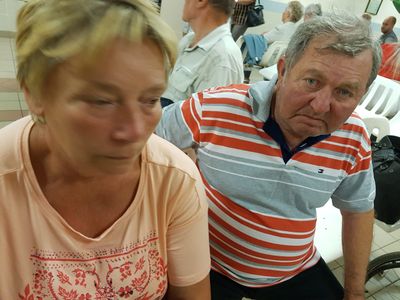
Fatigue
When it comes to describing fatigue, one challenge is that it means different things to different people. “For some people, fatigue is a constant presence, while for others, it comes and goes,”
“Essentially fatigue is the overwhelming feeling of lacking energy. Our clients often describe it as it feels like their battery running out. They might start the day with a full battery, but it runs down too quickly” or "when they wake up feeling just as exhausted as they did yesterday, even after sleeping reasonably well.”
Facing physical & functional challenges
Patients who are receiving treatment at the clinic, already suffered from a stroke; heart attacks and living with other long-term health condition like heart disease, kidney disease, peripheral artery disease, high blood pressure or diabetes and many more.
Most patients who are attending the clinic are presenting with exertional fatigue: their legs may feel heavy, tired, or achy during activity, often described as a cramping or tired sensation in the calves, thighs, or hips.
They also report legs or feet feeling cold compared to the rest of the body, as well as feeling of weakness in the legs or numbness.
It is well known that the fatigue is caused by narrowed arteries (atherosclerosis) failing to deliver enough oxygenated blood to working muscles.
In advanced stages of peripheral artery disease patients experience not just, physical, cognitive and emotional exhaustion but restless leg syndromes at night is reported as well as pain that occur even while resting or lying flat.
Fatigue could make it difficult for you to take part in everyday activities. It can also affect your recovery and rehabilitation. Patients at the clinic reporting improvement in their ability to walk longer after the first 2-4 treatments.
Other health problems can also make you feel tired
Such as anaemia (low levels of iron in the blood), diabetes or an underactive thyroid gland. Therefore testing and being treated these conditions are vital and MUST before getting in touch with us!
Post-stroke fatigue?
Working as a Stroke Specialist Nurse, I can clearly state that most of my patients are experiencing fatigue!
It is well documented that fatigue could happen after any type of strokes or mini-strokes.
What I see in the six-eight months review clinics is that patients have made either a full physical recovery but fatigue can still be a problem.
Fatigue could start soon after having a stroke or appear some time later. Our stroke survivors are also being screened for Atrial Fibrillation to detect the source of their infarct. Atrial Fibrillations is the condition when the heart does not beat regularly and therefore blood is not pumped around the body as well as it should be. Our patients usually finding it difficult to exercise, feeling more tired than normal, reporting shortness of breath and feeling dizzy or faint.
The clinic therefore only accept patients, who had a stroke six-eight months ago as usually it takes time to be fully investigated by stroke consultants and cardiologists.
Emotional changes and Fatigue
During clinic assessments when I screen patients for anxiety and depression the most reported feeling is fatigue.
Fatigue shares some of the signs of emotional changes of depression, such as feeling low, having anxiety, sleep problems and tiredness, but it’s not the same thing. During assessment it can be difficult to tell apart the symptoms of fatigue from depression. People can have both at the same time and fatigue may cause low mood and anxiety.
Sleeping problems, Insomnia and Sleep Apnoea
Sleeping problems, such as insomnia, night time urinary frequency, restless leg syndrome and an interrupted breathing can make you feel tired during the day. During initial assessments I request GP's to refer my patients to Sleep Study Clinics to screen for sleep apnoea, if they report of feeling very tired, find it hard to concentrate, have mood swings and have a headache, very dry mouth when they wake up and have other metabolic risk factors like pre-diabetes, obesity, high blood pressure and atrial fibrillation.
Caregiver and Emotional Fatigue
Are you a Caregiver?
When someone close to you leaves hospital after a stroke or other hospitalisation you as a spouse or family member may suddenly find yourself needing to give them help and support.
During my clinic assessment I not only pay attention to my stroke survivors but to family members , friends, or neighbour who offer unpaid support as it is well documented that not just the survivor who is affected after a stroke but anyone supporting them too.
This care role can often include physical, emotional, and practical assistance.
At the time of my initial assessment, carers are asked to complete a carer strain index to establish any sign of Emotional Strain- Caregivers may grieve the loss of who the person used to be, fell guilt over not doing “enough,” or experience sadness when improvements are limited.
It is extremely important to highlight that Caregivers of individuals with dementia are at especially high risk due to constant vigilance and emotional distress (Alzheimer’s Association, 2024).
It often appears gradually and may be mistaken for ordinary tiredness or stress at first. These illnesses often develop silently and progress without noticeable symptoms until they become more difficult to treat.
Supporting family members after a stroke could mean Physical Demands - this often would involve lifting heavy limbs, assisting in bathing, mobility support, pushing hoist and waking up at night resulting in interrupted sleep. Over time, these demands can lead to fatigue, injuries, or chronic health issues. Studies show that caregivers are more likely than non-caregivers to report poor physical health and elevated stress hormones (National Alliance for Caregiving & AARP, 2020).
Many of my patients caregivers report of feeling isolated, either because family members are unable to help or because they believe they must handle everything on their own. Some do not ask for help because of guilt or fear of burdening others. Without emotional or Lack of Support burnout becomes more likely.
Symptoms of Caregiver Burnout-Recognise any symptoms below?
Burnout can affect the mind and body. Therefore it is crucial of recognizing symptoms early to prevent further decline.
Emotional Symptoms
- Irritability, anger, or resentment
- Feeling helpless, hopeless, or “numb”
- Guilt for not doing enough
- Withdrawing from friends or hobbies
- Increased anxiety or depression
Physical Symptoms
- Fatigue or insomnia
- Frequent headaches or illness
- Changes in appetite or weight
- Body aches or chronic pain
Behavioural Changes
- Loss of patience with the care recipient
- Difficulty concentrating
- Forgetfulness
- Reduced productivity
- Using alcohol or food to cope
From years of nursing experience, I can clearly state that large amount of stroke patients are fulfilling caring roles prior to their stroke and some of them has no choice but go back to into caring role.
Therefore it is very important to highlight that carers should not ignore these signs above, assuming stress is “normal” or believing their needs are less important than the person they care for. An untreated burnout can affect caregiving quality of life, increase risk of injury and speed up progression of any other medical condition too.
What we offer is Coping Strategies
Volcanic Vascular Health believes that protecting caregiver well-being is essential. Studies show that even short period s of respite can significantly reduce caregiver stress (Anderson & White, 2021).
Self-care is not selfish, it is essential, caregivers must care for themselves with the same dedication they give others.
Helpful habits include getting adequate sleep, maintaining regular medical appointments, gentle exercise such as walking or stretching, healthy meals and hydration, and setting aside time for hobbies or relaxation.
Carers' breaks and Respite Care
When I ask my patients about “Respite care” most of them never heard of it at all.
Some of my patients, whose been in a caring role for years, sadly missed out of support from Action for carers or other local services.
Respite means taking a break from caring, while the person you care for is looked after by someone else. It allows you take time out to look after yourself and helps stop you becoming exhausted and run down. It is good to know that there are lots of respite care options available and they range from getting a volunteer to sit with the person you look after for a few hours, to a short stay in a care home so you can go on holiday.
Your local council carers' centre, GP and Community Matron should provide you information about local support for a short stay in a care home, ranging from a few days to weeks, which can cover holidays or emergencies.
How Volcanic Vascular Health can help you?
The idea of a respite holiday in Hungary may seem complex but putting time aside to reset and recharge physically and emotionally can work wonders. A respite regenerating holiday in Hungary is intentionally crafted for carers to have a well-earned break from their day-to-day lives, in order to relieve some of the pressure their lives hold.
Complimentary treatments and exercises
Carbon dioxide treatment is colour and odourless gas that is heavier than air. When bathing (to chest height) in a “dry carbon dioxide” the gas is absorbed through the hair follicles and skin into the capillaries and connective tissues. This (vasodilation) expands the blood vessel’s diameter which improves blood flow and the removal of waste products as well as increasing the transport of oxygen, nutrients and glucose to the tissues.
Effects:
Within the first couple of minutes a client experiences pleasant heat and perspiration.
Blood pressure is decreased typically by 15-20mmHg Systolic and 10-15mmHg Diastolic.
Benefits last up to six months:
· Helps to alleviate Stroke related Neuropathic pain
· Better blood flow increases energy levels alleviates fatigue and improves mood
· Cognition may improve
· Eyesight may improve
· Alleviates wheezing
· Helps to improve independence and improves quality of life
· Helps improve lymphatic fluid drainage (gravitational oedema) - meaning shoes fit properly
Gradually walking distance will improve
Visit an additional healing spa treatment found in Bükkszék which water (SALVUS) spa belongs to the group of alkaline-hydrogen-carbonate-chloride, bromine-iodide medicinal waters, with a high dissolved mineral salt content. Clinical research supports that this medical spa therapy is recommended for musculoskeletal diseases (e.g. rheumatism), rehabilitation after injuries (fractures, injuries), gynecological problems (infertility, pelvic inflammatory disease), and dermatological treatment.
The above complimentary treatments will contribute to improve endurance because better circulation results in more efficient oxygen use, supports muscle regeneration, especially in endurance sports and can reduce fatigue during exercise, making it easier to complete workouts.
Carers will be introduced to the local & newly furbished gym, which is air-conditioned, equipped with premium Cybex and Technogym machines, to facilitate any workouts in the best possible conditions - whether it's strength training, cardio, rehabilitation or functional training! The atmosphere is family-friendly and every little detail is there to make you feel good. Fitness instructor will even create a personalized training plan for you.
We also will encourage everyone on a daily basis to complete an online hip flexibility training as stress, tension and tight hips well know fact that it leads to a hunched back while sitting, and can also create anterior pelvic tilt while standing and walking. Tight hip flexors can directly pull on lower back, pitch you forward into a sway back posture, and contribute to injuries and pain. Hip stretches can improve movement patterns, reduce knee pain, and even prevent injuries.
Neglecting to invest time in health—through exercise, nutrition, sleep, and medical check-ups—often leads to higher, unavoidable financial costs, lost productivity, and diminished quality of life when illness occurs.
The above complimentary treatment and a medical screening of Chest X-Ray, ECG, Blood test can significantly reduce a person’s risk of developing serious illness!
If the above information describes you or someone that you know please do not hesitate to get in touch!